Stretch Ceiling vs False Ceiling: Which Ceiling Solution Is Better for Your Space?
- Dead Load Advantage: Stretch ceilings weigh only 0.20–0.24 kg/m² compared to 12–15 kg/m² for gypsum board.
- Zero Seam Cracks: Elastic membranes absorb building vibrations and thermal expansion without hairline joint fissures.
- Clean Turnkey Speed: Completed in 1 to 2 days with zero wet plaster, toxic sanding dust, or primer fumes.
- Moisture & Mold Immunity: Impermeable polymer will not yellow, rot, flake, or harbor mildew during humid monsoon seasons.
1. Structural Dead Load & Building Safety
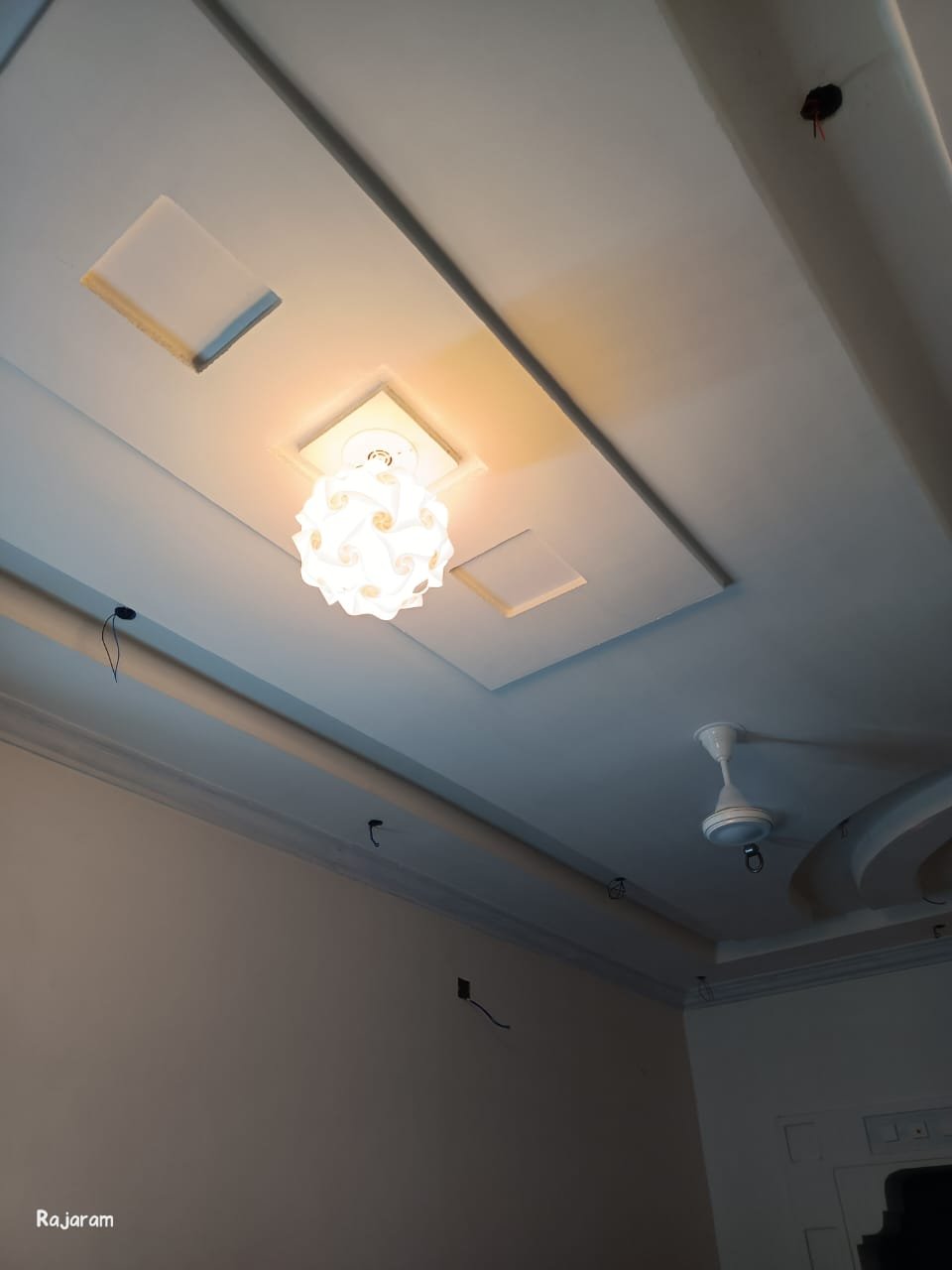
Conventional gypsum drywall or Plaster of Paris false ceilings impose significant dead loads on structural slabs—typically 12 to 15 kg per square meter when factoring in heavy steel GI framing, corner beads, and joint compounds. In high-rise towers or large commercial spans, this cumulative weight strains slabs. In sharp contrast, a tensioned stretch ceiling membrane weighs approximately 0.20 to 0.24 kg per square meter. Suspended solely along perimeter wall tracks, it eliminates heavy intermediate hanger rods and removes overhead collapse hazards entirely.
2. Installation Speed, Mess and Dust Disruption
Installing a gypsum false ceiling is an invasive, multi-stage construction ordeal requiring channel cutting, board fastening, joint taping, wet POP troweling, coarse sanding, primer coats, and multiple paint applications over 10 to 18 days. The resulting gypsum dust infiltrates air conditioning ducts and ruins electronics. Conversely, stretch ceiling installation is a clean mechanical process. Perimeter tracks are anchored, lighting platforms prepped, and the calendered membrane is heated and tucked into position in a single day, leaving the space spotless.
3. Moisture, Leakage and Monsoon Resilience
Indian climatic conditions, characterized by heavy monsoon rains and high ambient humidity, frequently expose the vulnerabilities of gypsum and POP. Trapped moisture causes gypsum cores to soften, leading to sagging, fungal growth, paint peeling, and brown water stains. Stretch ceilings are 100% impermeable to water vapor and liquid water. If an overhead pipe bursts, the membrane safely balloons downward to catch the water, preserving interior furnishings until an engineer drains it safely. Calculate your project cost on our Online Ceiling Cost Estimator.
4. Lifecycle Cost and Long-Term Value
While basic gypsum false ceilings carry a lower initial square-foot procurement cost, they incur substantial recurring maintenance expenses: repainting every 3 to 4 years, filling hairline cracks, and replacing moisture-damaged sections. A premium stretch ceiling from Xxtraceil requires zero repainting, never cracks, wipes clean with a microfiber cloth, and retains factory tension and color brilliance for over two decades.
Book a Site Survey with Our Installation Engineers
Our certified teams execute complete residential and commercial stretch ceiling installations with full 10-year warranty coverage across India.